

Free Case Evaluation Find Out if You Have a Lemon Today
Our team will ask you simple questions to determine if we can help you receive a cash settlement or refund for your vehicle.
Check if You Qualify
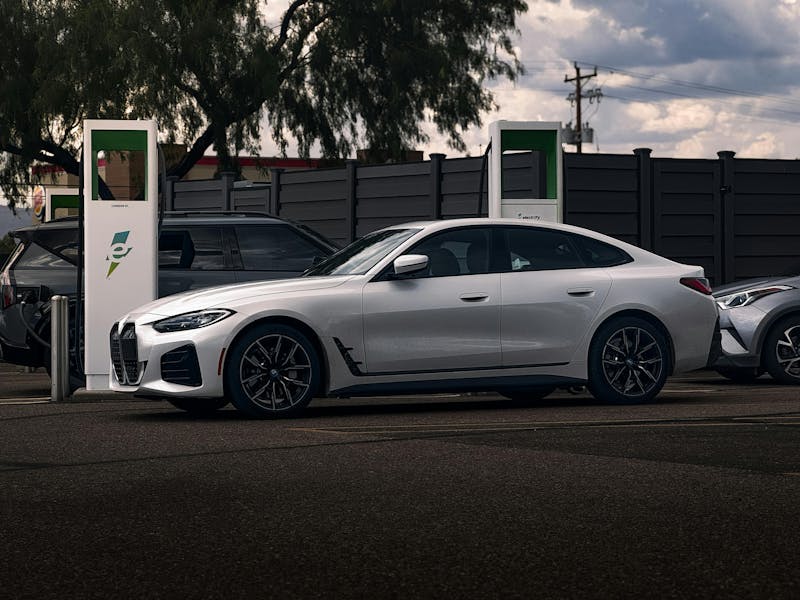
Electric vehicles and hybrids feel like the future, until a warning light pops up and the car starts living at the service bay. California owners report many of the same headaches, even across different brands. Some issues are mechanical, but many are software-driven. Either way, the stress is similar in real life. You lose time and confidence, and the monthly payment stays the same. Here are five common defects drivers report.
High-voltage battery issues can show up as sudden range drops, charging that crawls, or repeated ‘reduced power’ and ‘service battery’ alerts. Some owners notice the car behaves normally for a few days after a software update, then the same warnings return. If a dealer says it is normal or within spec, start building a simple record anyway.
Be sure to note the date, mileage, outside temperature, charge level, and the exact message on the screen. Save screenshots and every repair order. If the pattern repeats while the car is under warranty, talk to lemon law lawyers Bay Area before the timeline gets tight.
Charging issues are not always a bad cable. Owners report ports that will not latch, charging sessions that stop at random, and cars that refuse DC fast charging after an update. Some vehicles throttle charging far below normal, even at known good stations. Note where you charged, the station type, and the time to add a set amount of energy. Error-screen photos, app logs, and charging receipts all help prove when the problem happened and how often it repeats.
Modern vehicles run on software, and bugs can feel like mechanical failures. Common complaints include phantom alerts, camera dropouts, screen reboots, and systems that disable the driver assistance system unexpectedly. Hybrids can also miscalculate battery state, causing rough transitions between gas and electric power. Ask the dealer to document software versions and any reflashes performed.
Some hybrids develop shuddering on acceleration, harsh engagement between gas and electric power, or strange noises that come and go. Others have transmission, inverter, or motor generator issues that the service team struggles to reproduce. Record short videos of the sound or vibration when safe. Note the driving mode, battery level, and whether the engine was cold.
EV and hybrid systems rely on pumps, valves, and sensors to control heat. When these parts fail, owners may see overheating warnings, cabin heat loss, or reduced charging and power. These problems often appear after freeway driving, steep grades, or fast charging, then disappear before the next appointment.
Be sure to log the outside temperature, trip length, and charge level when it happens. If the vehicle is held at an auto repair shop for days while parts are ordered, document dates, updates, and total downtime.
EVs and hybrids can be reliable, but repeat defects deserve attention. Do not wait until the warranty window is tight. Collect repair orders, photos of warnings, and logs after each incident. Clear documentation turns a vague complaint into a strong lemon law claim.
Our team will ask you simple questions to determine if we can help you receive a cash settlement or refund for your vehicle.
Check if You Qualify