

Free Case Evaluation Find Out if You Have a Lemon Today
Our team will ask you simple questions to determine if we can help you receive a cash settlement or refund for your vehicle.
Check if You Qualify
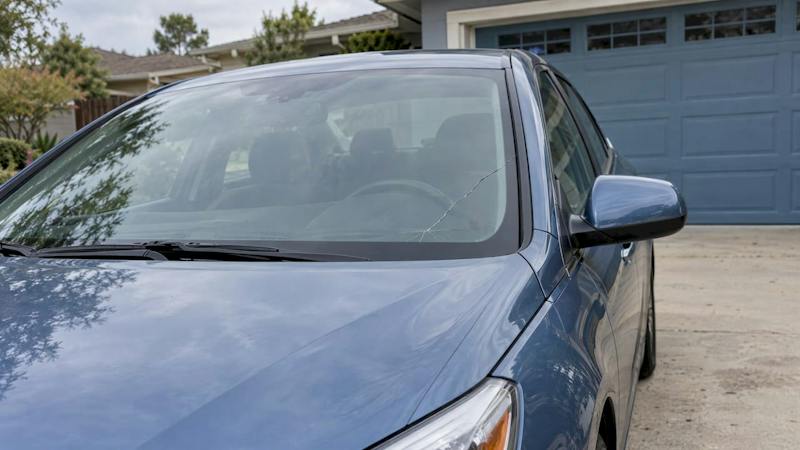
A windshield stress crack can support a California lemon law claim, but only in the right circumstances. The crack has to be a defect covered by the manufacturer's warranty. It has to substantially impair the car's use, value or safety. And the manufacturer has to have failed to fix it after a reasonable number of repair attempts. A single chip from a rock usually does not meet that test. A crack that appears with no impact, comes back after replacement, or affects your view or your driver-assist cameras may.
This guide explains how the law treats windshield cracks, how many repair visits matter, what separates a defect from road damage, and which records to keep.
California's lemon law is the Song-Beverly Consumer Warranty Act, with the Tanner Act covering new motor vehicles. The BBB's summary of the law describes a nonconformity as any defect or malfunction that substantially impairs the use, value or safety of the vehicle to the consumer.
The state's Department of Consumer Affairs explains the remedy: if the manufacturer or dealer cannot repair a serious warranty defect after a reasonable number of attempts, the manufacturer must replace the vehicle or refund its purchase price, whichever you prefer.
So the question is never just as simple as "is my windshield cracked?" It is a chain of questions that determine if the car would qualify under a lemon law claim in California.
The BBB's California page lays out the same elements: a defect covered by the written new vehicle warranty, substantial impairment, and no unauthorized or unreasonable use after the sale.
Windshield cracks can sound just cosmetic until you look at what the glass does. It is part of the car's safety system, and courts have taken that seriously.
A New Jersey appellate opinion, Hogan v. Volkswagen, noted that a federal court in California concluded in Ehrlich v. BMW that cracked windshields create an unreasonable safety risk that would matter to a reasonable consumer. That is one court's reasoning, not a rule that every crack qualifies, but it shows the argument is a recognized one.
A class action complaint against Subaru makes the same case in practical terms. It alleges that a spontaneously cracking windshield can impair the driver's view and distract the driver, and can hinder visibility and compromise structural integrity in a rollover. It also alleges that auto glass must meet federal safety standards, matters for proper airbag function, and that cracks interfere with the EyeSight driver-assist system. These are allegations in a filing, not findings, but they point to the questions that matter in your own case:
The more of those that apply, the stronger the argument that the defect affects safety, not just appearance.
A stress crack grows from the edge or from within the glass without an obvious strike. It can also appear overnight or during a cold snap. That is exactly why disputes arise: manufacturers and dealers may disagree about whether the crack is a defect or the result of temperature swings and other environmental conditions.
Your side of this question is evidence. A few signs commonly point toward a defect rather than damage:
The legal standard helps the owner here. In an academic review of the law, Nancy Barron wrote that under California law a consumer need only offer credible evidence that the defect is materials or workmanship related. She also noted that an expert is often essential to prove that conditions like windshield defects are substantial nonconformities. A written opinion from a qualified glass or body technician that the damage is a stress crack from a manufacturing flaw can carry real weight.
One more point on cause: a dealer cannot deny warranty coverage simply because an independent mechanic serviced the car or aftermarket parts were used, unless that specific part or repair caused the damage. A routine oil change elsewhere does not erase a glass defect.
The law does not fix a single magic number. It sets a presumption. Under Civil Code section 1793.22(b), a rebuttable presumption arises if, within 18 months of delivery or 18,000 miles, whichever comes first, one of these happens:
| Situation | Repair opportunities needed |
|---|---|
| Same defect, ordinary | 4 or more |
| Same defect likely to cause death or serious bodily injury if driven | 2 or more |
| Vehicle out of service for repair | More than 30 cumulative days |
The statute adds that direct notice to the manufacturer is required for the first two conditions when its disclosure condition applies. The 2026 CACI No. 3203 jury instruction restates the same thresholds for jurors.
"Rebuttable" matters. The manufacturer can try to prove that, under all the circumstances, it was not given a reasonable opportunity to repair. And a claim does not fail just because the presumption is not met. The presumption is a guideline, and a jury can still find that the number of attempts was reasonable.
For a windshield, the safety tier is the interesting one. If a crack obstructs your view or affects driver-assist systems, you can argue it is a defect likely to cause serious injury, which would shorten the count to two repair visits. Whether a particular crack fits that description is a fact-specific call, and it is the kind of question to put in front of a lemon law attorney.

Some manufacturers offer a state-certified arbitration program. The Department of Consumer Affairs says that you must request arbitration to claim the benefit of the presumption in those cases, and you may accept or reject the arbitrator's decision. Barron's analysis adds that if the manufacturer has a qualified program and notifies you of it, a consumer who skipped it cannot rely on the repair-attempts presumption in court, while the arbitrator's findings are admissible if you later sue. Check your warranty booklet for whether such a program exists before you decide how to proceed.
The law reaches further than most owners expect. According to the Department of Consumer Affairs, it covers new and used vehicles that come with the manufacturer's new vehicle warranty, including cars, pickups, vans, SUVs, demonstrators and dealer-owned vehicles, as well as vehicles bought or leased for personal, family or household use, or for business use within the stated limits (fewer than five vehicles, under 10,000 pounds gross weight).
The same page says the law does not apply to vehicles bought used with no new vehicle warranty. A certified pre-owned car or a lightly used car still under the factory warranty is a different situation. If you are in that spot, our page on used car lemon law in California explains how warranty status drives eligibility.
Leased cars are covered too. A reader on a public forum asked what protections apply after noticing windshield cracks within a week of signing a lease. The short answer is that the lease does not remove your warranty rights, and a defect that shows up that early is easier to tie to manufacturing than one that appears after years of driving.
Escalating within the dealership first, then to the manufacturer, and keeping service records and receipts is standard advice. If that fails, owners can also file a complaint with the state attorney general or a local consumer office, or consider small claims court for amounts of $10,000 or less. A lemon law buyback usually involves far more than that, which is where a lawyer comes in.
For a deeper look at documentation, see our guide on building a strong lemon law case.
When a claim succeeds, the manufacturer must replace the vehicle or refund the price. Beyond that, the Song-Beverly Act provides two additional levers, both in Civil Code section 1794:
What counts as willful is itself litigated. In Lukather v. General Motors (2010), the Court of Appeal explained that a violation is not willful if the manufacturer held a good faith, reasonable belief that the facts creating its obligation were not present. In practice, this is why a well-documented record matters: it makes it harder for a manufacturer to claim it honestly believed the defect did not exist.
At Quill & Arrow Law, we prepare every Lemon Law case as if it will go to trial. Our approach is designed to give clients leverage against major manufacturers instead of pushing a quick settlement. We handle new and certified pre-owned vehicles with recurring defects, and we offer a free consultation and case review. Our firm works on a contingency basis, so clients pay no out-of-pocket fees, and when a case succeeds the manufacturer funds the attorney fees. Clients can follow their case in real time.
If your windshield has cracked more than once, or the dealer keeps telling you there is nothing wrong, talk to our Lemon Law team about your records and what the crack looks like. These cases aren't particularly common for lemon claims, and there is a narrow way in which lemon law can apply to a windshield defect. Our attorneys can help you figure out if you have a lemon law claim worth pursuing.
Want to see what to expect after you sign on? Our overview of the Lemon Law process walks through each stage, and our page on how fees work explains why there is no cost to you unless the case is won.
It can be, if the crack is a defect covered by the manufacturer's warranty, substantially impairs use, value or safety, and cannot be fixed after a reasonable number of attempts. Ordinary rock damage generally is not. Each case turns on its facts, so a review of your repair orders is the best next step.
California presumes a reasonable number of attempts after four repairs of the same defect within 18 months or 18,000 miles. For a defect likely to cause death or serious bodily injury, the number is two. A car out of service for more than 30 cumulative days also triggers the presumption.
What matters is whether the defect is covered by a manufacturer's new vehicle warranty. New cars, leased cars and used cars still under that warranty can qualify. Vehicles bought used with no new vehicle warranty do not fall under the lemon law.
That is a common response to stress cracks. A written opinion from a qualified technician, photos showing no impact point, and repeated repair orders for the same complaint help answer it. California only requires credible evidence that the defect relates to materials or workmanship.
At Quill & Arrow Law you do not. We work on contingency with no out-of-pocket fees, and the law allows a prevailing buyer to recover attorney fees from the manufacturer
Our team will ask you simple questions to determine if we can help you receive a cash settlement or refund for your vehicle.
Check if You Qualify